
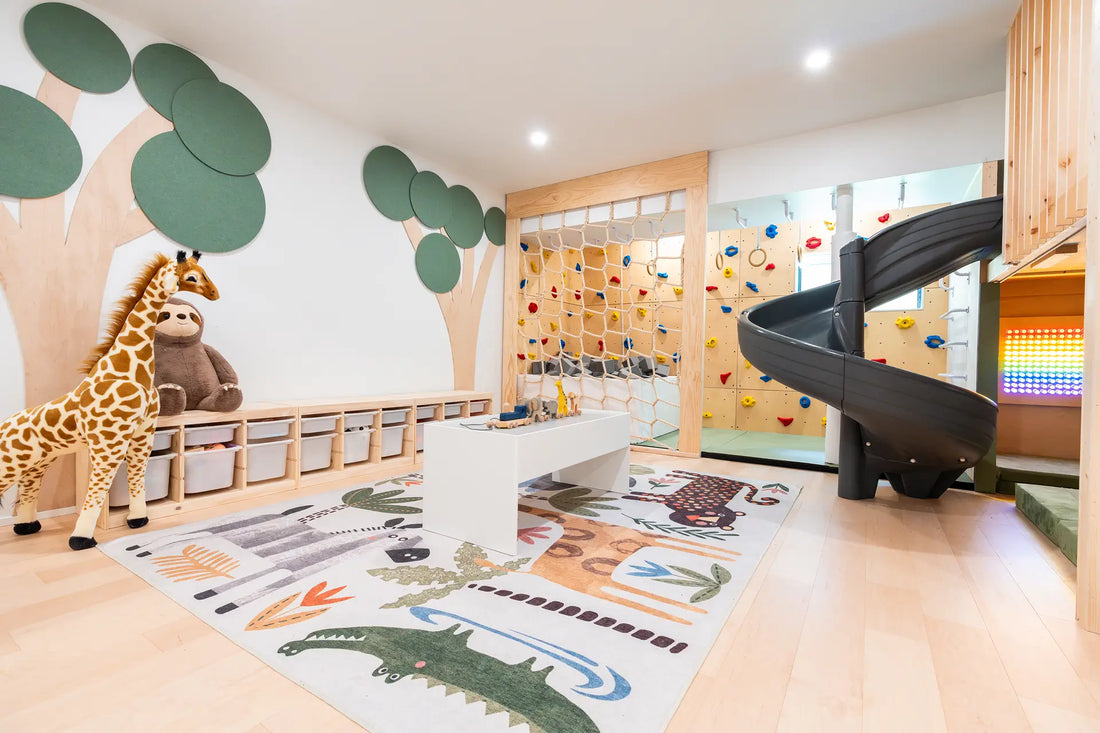
Creating a safe, supportive, and engaging environment is essential for children with autism to thrive. A thoughtfully designed playroom can serve as both a sanctuary and a developmental hub, offering sensory-rich experiences, structured play, and opportunities for growth. By tailoring the space to meet the unique needs of children with autism, parents and caregivers can foster confidence, creativity, and comfort in an environment that encourages exploration and learning.
Understanding Autism Spectrum Disorder (ASD)
Autism Spectrum Disorder (ASD) is a developmental condition that affects communication, behavior, and sensory processing. Many children with autism experience challenges with social interaction, sensory sensitivities, and transitions between activities. Keeping these factors in mind when designing a playroom ensures the space is not only fun but also therapeutic, supportive, and accessible.
Create a Calm and Comfortable Environment
Soothing design choices help minimize overstimulation. Opt for muted wall colors like soft greens, blues, or neutrals instead of bright, busy patterns. Choose soft lighting or dimmable fixtures to reduce glare, and avoid cluttered layouts that may overwhelm children. Incorporating cozy elements, plush rugs, beanbags, or cushioned seating, provides children with comfort and security while keeping the space functional.
Incorporate Sensory-Friendly Features
Sensory play is a powerful tool for children with autism. Create designated sensory zones equipped with textured mats, tactile bins, or sensory swings to provide calming, hands-on experiences. Add auditory options like gentle sound machines and visual features such as light panels or bubble tubes. Noise-canceling headphones can also help children regulate input and reduce stress during playtime.
Design for Safety and Accessibility
Safety should be a guiding principle in every design choice. Use child-safe, non-toxic materials and furniture with rounded edges. Anchor shelving and large furniture securely to walls, and leave wide pathways for safe movement. For children with mobility challenges, ensure that all zones are accessible and clearly marked with visual cues. A layout that is simple and predictable helps children navigate the playroom with confidence.
Structure Play with Predictable Zones
Children with autism often thrive on routine and predictability. Organize the room into clearly defined zones: imaginative play, sensory play, active play, and quiet time. Visual schedules, picture labels, or floor markers can help children understand boundaries and transitions between activities. This structured approach encourages independence while providing a sense of safety and order.
Encourage Active Play and Movement
Physical activity supports motor development, self-regulation, and overall health. Incorporate climbing walls, balance beams, monkey bars, or swings into the design for gross motor engagement. Provide a designated space for jumping or tumbling with mats to ensure safety. Movement-based activities not only support physical growth but also help children manage energy levels and sensory input.
Use Visual Supports Throughout the Space
Visual supports are vital tools for children with autism. Picture schedules, visual timers, and communication boards give children clear guidance and reduce anxiety. Place visual prompts around the room to reinforce expectations and encourage participation in different activities. These supports promote independence while also building communication skills.
Foster Social Interaction in Small Steps
The playroom can be a powerful environment for practicing social skills. Include group activities like cooperative games, role-play stations, or shared building sets that naturally encourage turn-taking and collaboration. Keep group play optional and structured, so children feel safe to participate without pressure. Celebrating small victories in social play builds confidence and resilience.
Offer Quiet Retreat Spaces
Every child needs downtime, especially those prone to sensory overload. Designate a cozy corner with soft furnishings, weighted blankets, or dim lighting where children can self-regulate. Adding calming features like a tent, a reading nook, or a small sensory pod creates a predictable safe zone where children can reset before returning to play.
How Smart Playrooms® Supports Families
At Smart Playrooms®, we specialize in creating inclusive, sensory-friendly play environments that meet the unique needs of every child. Whether through our virtual E-Design packages or immersive Full-Service design solutions, our team collaborates with families and therapists to build spaces that are functional, safe, and developmentally supportive.
Personalized Solutions
Every child with autism is unique. We take time to understand each child’s sensory preferences, strengths, and challenges, then design a playroom that supports their individual journey.
Sensory-Focused Design
Our playrooms integrate tactile, visual, and auditory elements to encourage exploration and self-regulation while maintaining a calm and welcoming atmosphere.
Structured and Therapeutic Play
We design spaces with defined play zones and integrate therapeutic elements such as climbing structures, balance beams, and sensory walls to promote skill-building and engagement.
Ongoing Support
Beyond design, we provide guidance and resources to help families maximize the benefits of their playroom, offering continued support as children grow and their needs evolve.
Empowering Children Through Thoughtful Playroom Design
Designing a playroom for children with autism requires more than just creativity, it requires compassion, structure, and a deep understanding of sensory needs. By combining calming design, sensory-rich play, and structured routines, you can create a supportive environment where children feel safe, engaged, and inspired. At Smart Playrooms®, we’re here to help you bring that vision to life.
Ready to create a space that empowers your child to learn, grow, and thrive? Contact Smart Playrooms® today to get started.


