
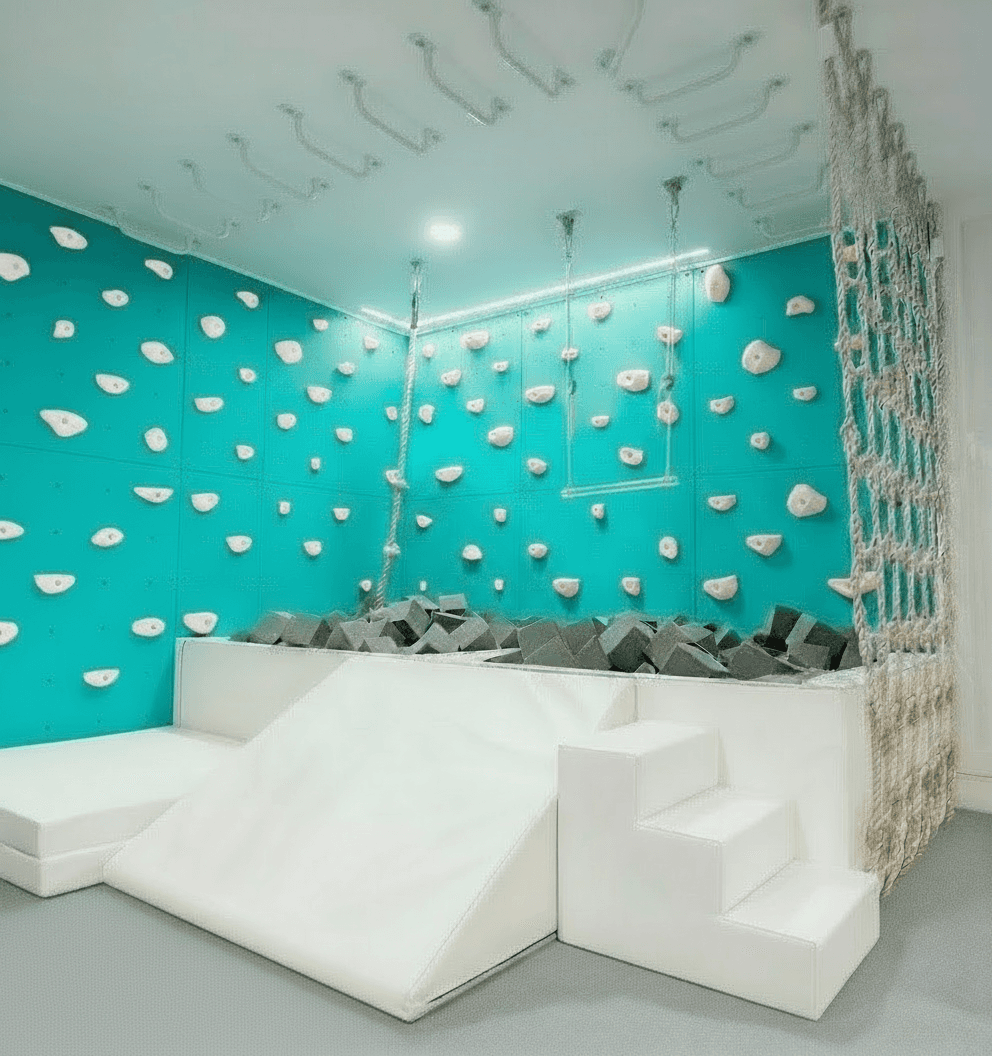
As a parent, you want to provide your baby with safe and enjoyable play experiences that promote their physical and cognitive development. One increasingly popular option is the ball pit or foam pit. These colorful play spaces can be found in indoor playgrounds, gyms, and even family playrooms, but many parents wonder: are ball pits safe for babies? And what benefits, if any, do they really offer?
This guide breaks down everything parents need to know about ball pits for babies, from developmental advantages to safety tips, so you can make an informed decision about whether to add one to your child’s play environment.
Understanding Ball Pits
Ball pits are play structures filled with hundreds (sometimes thousands) of lightweight balls or foam cubes. Traditionally, you’d find them in amusement centers, but they’ve evolved into modern, home-friendly versions that are smaller, softer, and safer for younger children.
There are two main types:
-
Plastic ball pits: Lightweight plastic balls in a shallow padded pit.
-
Foam pits: Filled with soft foam cubes, offering more resistance and a gentler fall.
Both options provide a sensory-rich environment where children can crawl, roll, dig, and explore, activities that are more beneficial than they might first appear.
The Developmental Benefits of Ball Pits for Babies
Ball pits aren’t just fun, hey’re packed with learning opportunities that support whole-child development!
1. Sensory Development and Integration
When babies crawl or roll through a ball pit, they’re surrounded by movement, texture, and color. This stimulates:
-
Tactile senses: The feel of balls shifting under their hands and bodies.
-
Proprioception: Understanding how their body moves through space.
-
Visual stimulation: Bright colors encourage visual tracking and focus.
This kind of sensory-rich play is critical for laying the groundwork for later academic and motor skills.
2. Motor Skill Development
Ball pits encourage babies to:
-
Reach and grasp: Picking up balls helps refine fine motor control.
-
Crawl and climb: Moving across shifting surfaces strengthens core and leg muscles.
-
Balance: Adjusting to the instability of the pit improves coordination.
Over time, these small movements build into larger physical milestones like walking and running.
3. Cognitive Exploration
Ball pits naturally invite problem-solving: How do I grab that ball? How do I get out of here? Babies practice cause-and-effect (“when I push, the balls move”) and object permanence (“the ball still exists, even when it disappears beneath the pile”).
4. Emotional and Social Growth
If used in group settings, ball pits help babies practice early social skills like:
-
Taking turns
-
Sharing space and toys
-
Reading emotional cues from peers
Even solo play can build confidence and independence as babies navigate the pit on their own.
Safety Considerations for Ball Pits
Ball pits can be safe when used appropriately, but they require careful attention. Here’s what parents should prioritize:
Supervision Is Non-Negotiable
Babies can easily become overwhelmed, roll onto their faces, or get tangled in the balls. An adult should always be within arm’s reach during play.
Age and Developmental Readiness
-
Infants under 6 months: Not recommended; they lack the motor control to sit or crawl safely.
-
6–12 months: Shallow pits with large, lightweight balls may be appropriate with close supervision.
-
12+ months: Babies who can crawl and sit independently can start enjoying ball pits more actively.
Ball Size and Material
Choose larger balls (at least 2.5 inches in diameter) to prevent choking. Ensure they’re made of BPA-free, phthalate-free, non-toxic plastic or soft foam.
Cleanliness
Commercial ball pits are notorious for harboring germs. For home ball pits, sanitize balls regularly using a baby-safe cleaning solution or removable washable covers.
Surroundings and Setup
-
Ensure the pit has soft, padded walls.
-
Avoid hard furniture, sharp corners, or clutter nearby.
-
Use on non-slip flooring or carpet to prevent shifting.
Potential Risks of Ball Pits
It’s important to weigh the risks alongside the benefits:
-
Choking hazards if small toys, broken balls, or foreign objects end up in the pit.
-
Allergies or sensitivities to materials or cleaning solutions.
-
Overstimulation, particularly in children sensitive to sensory input.
-
Injury risk if pits are too deep or if older children play roughly around babies.
Tips for Safe Play
If you decide to introduce your baby to a ball pit, keep these best practices in mind:
-
Keep it shallow: Just a few inches of balls are enough for babies.
-
Start slow: Let your child explore at their own pace. Don’t place them in suddenly.
-
Watch body language: If they look overwhelmed, end the session.
-
Limit playtime: 10–15 minutes is often enough for younger babies.
-
Rotate toys: Adding a few favorite plushies or rattles can extend interest without overstimulation.
Integrating Ball Pits Into a Playroom
A ball pit doesn’t need to be a stand-alone activity. It can be part of a thoughtfully designed playroom:
-
Pair with slides: A mini slide into a shallow pit adds excitement.
-
Combine with tunnels or climbing cubes: Encourages gross motor exploration.
-
Create sensory stations: Surround the pit with mirrors, textures, and musical toys.
At Smart Playrooms®, we often integrate ball or foam pits into larger activity zones to balance sensory play with imaginative and educational experiences.
Ball Pits and Babies with Special Needs
For children with sensory processing differences or developmental delays, ball pits can be especially therapeutic. Occupational therapists often use them in sensory integration therapy because the gentle resistance of the balls:
-
Provides calming proprioceptive input
-
Helps with body awareness
-
Encourages motor planning
If you’re considering a ball pit for a child with special needs, choose models specifically designed for therapeutic use with secure sides and professional-grade materials.
Choosing the Right Ball Pit
When shopping for a baby-friendly ball pit, look for:
-
Sturdy, padded construction with soft walls.
-
Washable covers or machine-washable fabric.
-
Large, safe balls made of non-toxic plastic.
-
Compact design that fits safely into your home’s layout.
Foam cube pits can be a great alternative for families who prefer fewer loose pieces and a softer tactile experience.
Smart Playrooms®’ Approach to Ball Pit Safety
At Smart Playrooms®, we know how tempting it is to add a ball pit to your child’s playroom. That’s why we guide families through:
-
Age-appropriate design: Ensuring pits are shallow enough and scaled for little bodies.
-
Premium materials: Non-toxic, durable, and easy to clean.
-
Integration into larger playrooms: So ball pits complement, not overwhelm, the space.
-
Customization: From size and color to pairing with other play features, we make sure the pit suits your family’s lifestyle.
Final Thoughts
Ball pits can be a wonderful tool for sensory exploration, motor skill development, and pure joy, if they’re used thoughtfully and safely. For babies, the key is keeping things shallow, clean, and supervised. Done right, a ball pit can spark laughter, creativity, and developmental growth in ways that few other toys can.
At Smart Playrooms®, we’re passionate about helping families design play spaces that are safe, functional, and full of magic. Whether you’re curious about adding a small foam pit to your nursery or integrating a larger ball pit into a custom-designed playroom, we’re here to help.
Contact us today to learn more about our E-Design and White Glove Playroom Design packages, and let’s create a playroom that inspires growth, imagination, and joy!


