
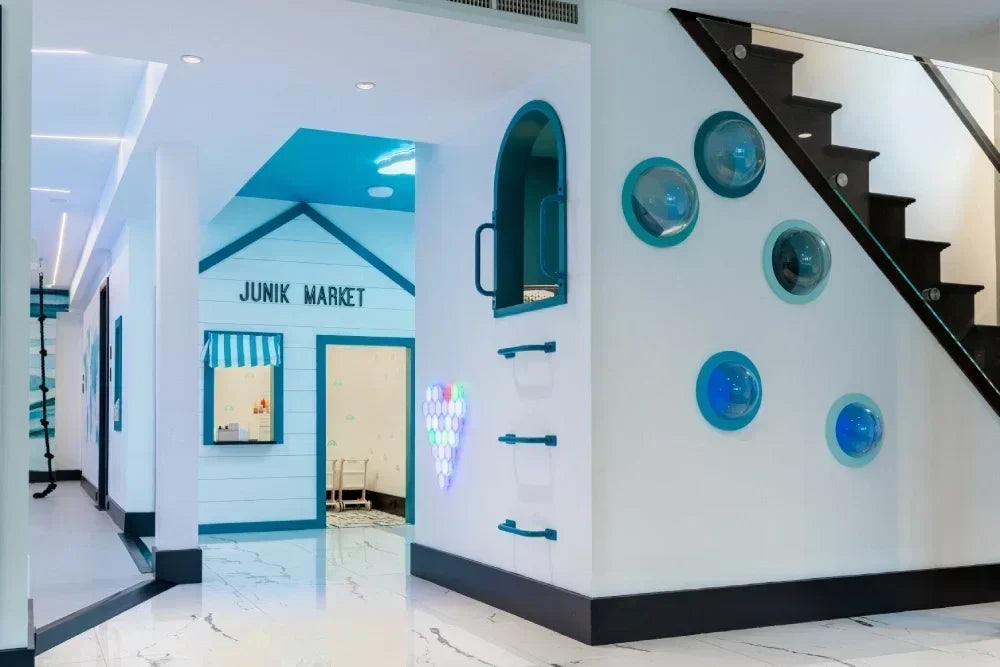
The philosophy behind daycare interior design goes far beyond choosing colors and arranging furniture. It’s about creating an environment that directly shapes children’s growth, learning, and daily experiences. A thoughtfully designed daycare balances safety, comfort, stimulation, and educational opportunities, while also sending a strong message of professionalism and care to parents. From space planning and materials to furniture choices and sensory features, every detail matters. Done well, your design can foster creativity, confidence, and meaningful peer connections, laying the foundation for a positive early childhood experience.
Embrace Color Psychology
Colors have a profound impact on children’s emotions and behavior. Bright shades like yellow, orange, and red encourage energy and creativity, making them ideal for play zones. Softer pastels (think lavender, sky blue, or sage green), create calming environments for naps or quiet activities. Using a balanced mix of stimulating and soothing tones ensures every child finds a space that matches their mood and developmental needs.
Design Functional Layouts
Daycare spaces must be easy to navigate and free from clutter. Open pathways help children move between zones without bottlenecks, while clearly defined play, learning, and rest areas promote order and routine. Consider child-height dividers or low shelving units to separate areas without cutting off visibility, ensuring staff can supervise while children explore independently.
Incorporate Multi-Sensory Experiences
Children thrive when all five senses are engaged. Add wall decals, murals, or colorful art at eye level for visual stimulation. Play gentle background music or nature sounds in reading corners. Provide tactile opportunities through textured rugs, soft cushions, and sensory bins filled with sand, water beads, or fabrics. A layered sensory approach supports motor development, focus, and creativity.
Create Cozy Retreats
Kids need both stimulation and downtime. Design small nooks with bean bags, tents, or reading pods where children can retreat when they need a break. Allow them to personalize these spaces with stuffed animals or artwork, reinforcing a sense of ownership and comfort while keeping them connected to the group environment.
Prioritize Safety and Durability
Daycare interiors endure constant use, so durability is non-negotiable. Choose wipeable surfaces, non-toxic finishes, and rounded-edge furniture. Anchor shelving to walls, cover outlets, and remove tripping hazards. Regular inspections and quick maintenance are key to ensuring safety without compromising aesthetics.
Integrate Educational Elements
Every corner of a daycare can double as a teaching moment. Wall-mounted puzzles, STEM toys, and interactive learning stations can turn play into problem-solving exercises. Alphabet or number murals, magnetic boards, and themed play areas encourage hands-on exploration while building cognitive skills.
Creative Storage Solutions
An organized space is essential for both safety and flow. Opt for child-height cubbies, labeled bins, and open shelving that empowers kids to access and return their toys independently. Vertical storage and wall-mounted units free up play space, while hidden storage under benches or in multifunctional furniture keeps clutter at bay.
Sensory-Friendly Design Principles
Minimizing overstimulation is just as important as encouraging exploration. Reduce noise with acoustic panels, rugs, and soft furnishings. Opt for natural light whenever possible, complemented by soft, adjustable artificial lighting. Provide sensory-friendly seating, like rocking chairs or floor cushions, for children who benefit from movement or deep pressure.
Foster Creativity and Imagination
Encourage open-ended play with an art station stocked with supplies, dress-up costumes for dramatic play, and building blocks for invention. Provide flexible play spaces that evolve with children’s imaginations, inspiring them to create, collaborate, and explore new scenarios daily.
Promote Active Play
Daycare interiors should promote movement just as much as they encourage creativity. Include safe climbing structures, mini balance beams, and foam obstacle courses indoors. Outdoor spaces with swings, slides, and sandboxes allow for gross motor development and social play, reinforcing both physical health and teamwork.
Emphasize Comfort and Safety
Furniture should be both durable and inviting. Soft rugs, cushioned seating, and low tables make the space approachable for kids while still easy for adults to maintain. Regularly assess equipment for wear and replace items promptly to keep the space consistently safe.
Encourage Social Interaction
Daycare is often a child’s first experience with structured socialization. Reading corners with shared seating, circle-time mats, and group play tables foster collaboration, communication, and community building. These spaces should feel warm, inclusive, and welcoming to children of all backgrounds and abilities.
Create Learning Opportunities Everywhere
Incorporate educational touchpoints into everyday design. Place puzzles on tables, hang world maps on walls, and add STEM toys to free-play areas. Water tables, sand trays, and sensory bins double as play and learning activities, teaching children science, math, and problem-solving skills through hands-on exploration.
Personalize the Space
Make the daycare feel like a second home by displaying children’s artwork, class projects, and even family photos. Incorporating these personal touches builds confidence and creates an environment where kids feel seen and valued. Encourage children to contribute to the design process to strengthen their sense of belonging.
Stay Flexible and Adaptable
Children grow fast, and their needs change with each stage. Choose modular furniture, movable dividers, and adaptable play structures so your design can evolve with your daycare community. Regularly refresh play zones, rotate toys, and gather feedback from staff, parents, and children to keep the environment relevant and inspiring.
Designing a Daycare That Inspires Growth
A well-designed daycare is more than just functional, it’s a nurturing environment that sparks curiosity, builds confidence, and supports holistic development. From sensory-rich design principles to practical storage and flexible layouts, each choice contributes to creating a space where children feel safe, engaged, and inspired to learn. At Smart Playrooms®, we specialize in bringing these ideas to life through custom design solutions that reflect both developmental needs and your unique vision.
Ready to create a daycare that delights children and reassures parents? Contact us today to begin designing a space where imagination, safety, and learning come together seamlessly.


