
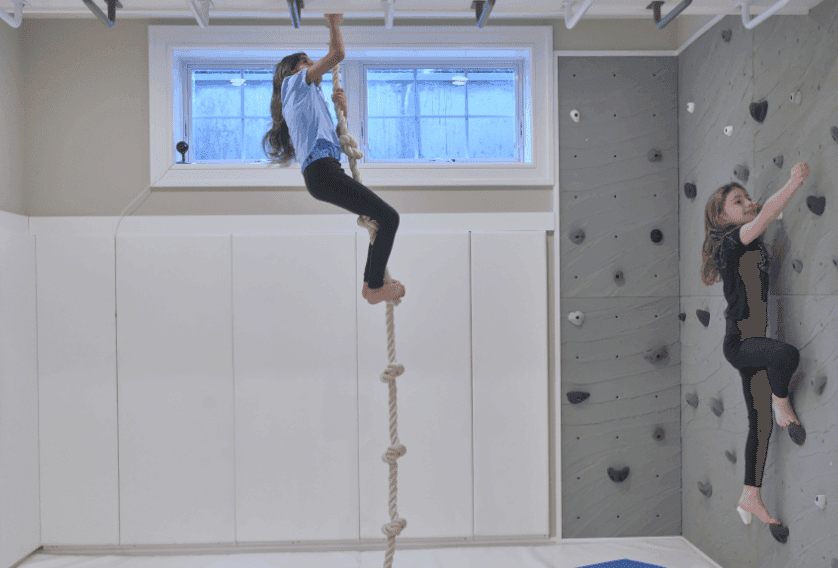
Rock climbing enthusiasts rely on an array of specialized equipment, with climbing holds being a pivotal component. Smart Playrooms® offers a variety of holds, essential for indoor climbing, that vary widely in shape, size, and texture. Each one is designed not only to offer unique challenges that boost fine and gross motor skills but also to build your child’s confidence. A deep dive into climbing holds unveils 12 distinct varieties, each playing a vital role in honing your little climber's abilities and offering varied challenges. This guide will highlight the functionality and significance of each type of hold, making it an invaluable resource for creating a safe, exciting climbing experience.
Jug Holds
Jug holds are large, positive holds that are easy to grip with the entire hand. They often resemble jugs or large pockets, providing climbers with ample surface area and a secure grip. Commonly used as resting points or starting holds, jugs give climbers a chance to regroup and plan their next moves.
Crimp Holds
Crimp holds are small and shallow, requiring climbers to grip with their fingertips. They place significant strain on tendons and ligaments in the hands, testing finger strength and precision. Crimps are popular on steep terrain and are best suited for advanced climbers seeking a technical challenge.
Sloper Holds
Slopers are smooth, rounded holds without defined edges. Climbers must rely on friction and body tension rather than a firm grip, making them notoriously difficult. Found frequently on slab climbs, slopers encourage careful footwork and refined body positioning.
Pocket Holds
Pocket holds are indentations or holes in the climbing surface that can be gripped with fingers or thumbs. They range from shallow two-finger pockets to deep three-finger pockets. These holds demand precise finger placement and careful body positioning, providing both technical difficulty and skill-building opportunities.
Pinch Holds
Pinch holds are narrow, vertical features that require the climber to squeeze them between the thumb and fingers. They come in various widths and textures, each testing grip strength in different ways. Pinches are demanding but rewarding for developing hand and finger strength.
Edge Holds
Edge holds are small features with distinct edges designed for fingertip grip. They can be positive (easy to hold), sloping (more difficult), or incut (angled for better leverage). Edges test precision, finger strength, and technique, especially on vertical or overhanging terrain.
Undercling Holds
Underclings are downward-facing holds that require pulling up with the hands while pressing down with the feet. They challenge upper-body strength, body tension, and coordination. When used correctly, underclings allow climbers to advance through otherwise difficult sections of a route.
Gaston Holds
Named after the French climber Gaston Rébuffat, Gaston holds require pulling outward against the hold, creating opposing forces between the climber’s arms and body. They demand strong shoulders and precise positioning, making them a technical challenge often found on arêtes or dihedrals.
Crack Holds
Crack holds mimic fissures or cracks in the rock. Climbers must use techniques such as finger jams, hand jams, or fist jams to secure themselves. Crack climbing builds unique strength and requires specialized skills that go beyond traditional gripping techniques.
Horn Holds
Horn holds protrude from the wall like a natural ledge or hook. Climbers can grip them with their hands or use them as footholds. Horns allow for creative movement and problem-solving, offering both stability and versatility on climbing routes.
Pocket Holds (Alternate Style)
In some climbing settings, “pockets” are classified separately to emphasize their concave shape and finger-specific use. These holds, whether shallow or deep, force climbers to rely on just one or two fingers, building strength, accuracy, and resilience in smaller muscle groups.
Rails
Rails are long, horizontal features that climbers can traverse with their hands or feet. They function like extended edges or ledges, encouraging climbers to shift laterally across a wall. Rails develop balance, core control, and fluid movement while allowing creative sequencing.
Exploring the World of Rock Climbing Holds
Rock climbing holds are the building blocks of climbing routes, each adding a unique challenge. Understanding the differences helps parents and kids approach climbing with confidence, enhancing fine and gross motor skills, strength, coordination, and problem-solving abilities. Introducing a variety of holds in your child’s climbing wall not only builds physical fitness but also boosts creativity and self-confidence.
How Smart Playrooms® Can Help
At Smart Playrooms®, we know the right tools can transform a child’s climbing experience. Our selection of climbing holds is designed with safety, durability, and functionality in mind. From beginner-friendly jugs and slopers to advanced crimps and pinches, we provide holds that encourage skill development for every age and stage. Beyond products, our team offers expert advice on safety, installation, and wall setup to help parents create the ultimate climbing playroom. With our commitment to quality craftsmanship and family-focused design, Smart Playrooms® is your partner in building fun, safe, and inspiring indoor climbing spaces. Visit our website to explore our full range of climbing holds, wall accessories, and playroom solutions.


