
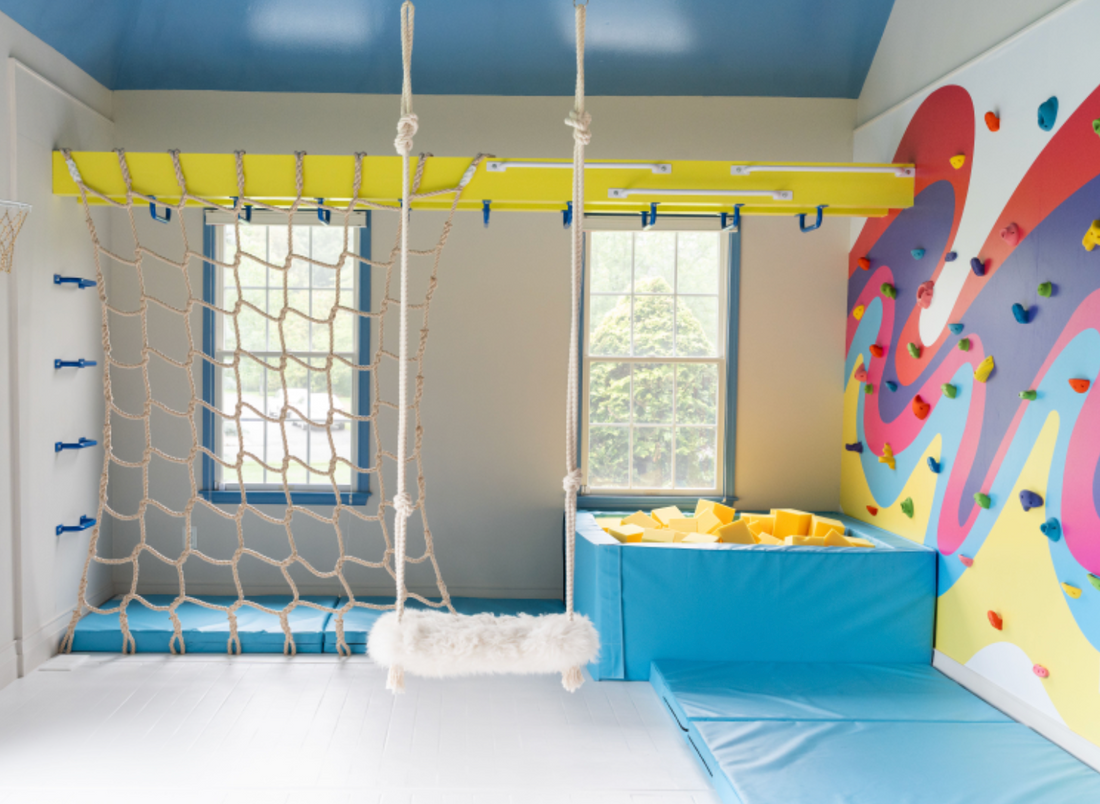
For many families, the dining room is an underused space, often reserved for holidays or special occasions. But with today’s emphasis on maximizing every square foot of the home, dining rooms are being reimagined as multi-functional spaces. One of the most practical transformations? Converting your dining room into a playroom that doubles as a safe, stimulating environment for kids and a functional dining space when needed.
The key is balance: your home should still feel polished and welcoming for adults while offering plenty of opportunities for your children to explore, create, and play. Below are essential do’s and don’ts for turning your dining room into a stylish, family-friendly playroom.
Do: Designate a Clear Play Area
The most successful dining-room-to-playroom transformations include clearly defined zones. Children thrive when they know where play is encouraged, and adults appreciate a sense of order. Use a colorful rug, foam mat, or low shelving unit to visually separate the play zone from the dining area. This also keeps mealtimes structured, kids know the dining table isn’t for toys, and the play rug isn’t for spaghetti night.
Pro tip: Choose rugs and mats that are both soft for play and easy to clean. Washable area rugs or interlocking foam tiles are great options for families with little ones.
Don’t: Let Toys Take Over
It’s easy for toys to creep into every corner of the room. To avoid feeling like you’re living in a toy store, practice toy rotation. Keep a curated set of toys in the room and store extras in bins or closets nearby. Rotating them every few weeks keeps play fresh and prevents clutter overload.
Do: Choose Multi-Functional Furniture
Smart furniture choices make all the difference in a dual-purpose room. Think benches with hidden storage, extendable dining tables, or modular shelving. A table that transitions seamlessly from family dinner to Lego building is a lifesaver.
Another favorite trick: opt for storage furniture that blends with your dining room aesthetic. Woven baskets, closed cabinetry, or stylish ottomans can store toys while still looking elegant for adult gatherings.
Don’t: Overcrowd the Space
Cluttered playrooms can overwhelm children and make it harder for them to focus. Stick to a few well-chosen play features, like an art station, a reading nook, or a small climbing structure, rather than filling every inch with toys. A little breathing room helps kids play more creatively and makes cleanup less daunting.
Do: Maintain Visibility and Supervision
If your dining room is near the kitchen or living room, you’re in luck! It’s the perfect spot for supervised play while you cook or work. If your dining room is more closed off, consider open shelving, a half wall, or French doors with glass panes to maintain sightlines.
Being able to keep an eye on kids while tackling household tasks adds peace of mind and encourages family interaction.
Don’t: Neglect the Dining Function
Even if the playroom becomes the primary use of the space, don’t completely sacrifice the dining function. Keep the dining table accessible and maintain a clear area where meals can be enjoyed without moving mountains of toys first. Furniture that can transition quickly, like foldable leaves, nesting chairs, or lightweight tables, will make this balance much easier.
Do: Prioritize Safety and Durability
Since play can be rough and tumble, use child-safe materials that can handle spills, scratches, and climbing adventures. Anchor heavy furniture to the wall, secure electrical outlets, and keep fragile items out of reach. Opt for non-toxic paints, washable textiles, and rounded edges on furniture whenever possible.
Don’t: Add Too Many Screens
While it’s tempting to include a TV or tablet station, try to keep your dining room playroom focused on hands-on, imaginative play. Instead of screens, introduce open-ended toys like building blocks, puzzles, art supplies, or dramatic play props. These encourage problem-solving, collaboration, and creativity, skills that go far beyond entertainment.
Do: Invest in Smart Storage
Storage is your secret weapon in a multi-purpose dining/play space. Think vertically with wall-mounted shelving, use labeled bins for easy toy organization, and incorporate hidden storage in benches or sideboards. The easier cleanup is for kids, the more likely they’ll actually participate.
Don’t: Forget About Style
Yes, it’s a playroom, but it’s also a dining room. Choose toy bins, shelving, and decor that complement your home’s aesthetic so the room feels cohesive. Neutral storage baskets, framed children’s artwork, or coordinated color schemes can make the room feel intentional and polished, not chaotic.
Do: Consider Professional Playroom Design
If you’re serious about creating a functional yet stylish dual-purpose space, a custom playroom design service may be the perfect solution. At Smart Playrooms®, our E-Design packages and full-service design options help families create spaces that blend beautifully with the home while maximizing safety, creativity, and fun.
Whether you want CAD layouts and shopping lists to guide a DIY project or prefer a full-service installation, our team ensures your dining room becomes a space the whole family enjoys, both at mealtime and playtime!
The Bottom Line
Transforming your dining room into a playroom doesn’t mean giving up on style or function, it means reimagining the space so it works harder for your family. With smart furniture, defined zones, safe materials, and clever storage, you can create a room that transitions seamlessly from spaghetti dinners to block towers and art projects.
At Smart Playrooms®, we specialize in designing spaces that help kids learn, grow, and thrive while fitting seamlessly into modern family homes. Contact us today to explore how we can help you turn your dining room into a vibrant, multi-functional hub that sparks creativity and connection.


